
Whose taste becomes canonical - and who gets left out? It is not a comfortable question, because the answer implicates almost every art institution we work with. But it is the right one, and it is finally being asked.
A landmark 2023 study by Shekhtman and Barabási analysed $36 billion in grants to nearly 49,000 art organisations and confirmed what many in the field have long sensed: philanthropic funding flows to already-prestigious institutions and stays there. It does not spread; it reinforces.
The Sackler crisis brought the ethics of private money into the open, but the more pervasive problem is quieter - the growing corporatisation of culture, combined with the retreat of public funding, is narrowing what gets produced toward what sells, commissions, or sponsors well.
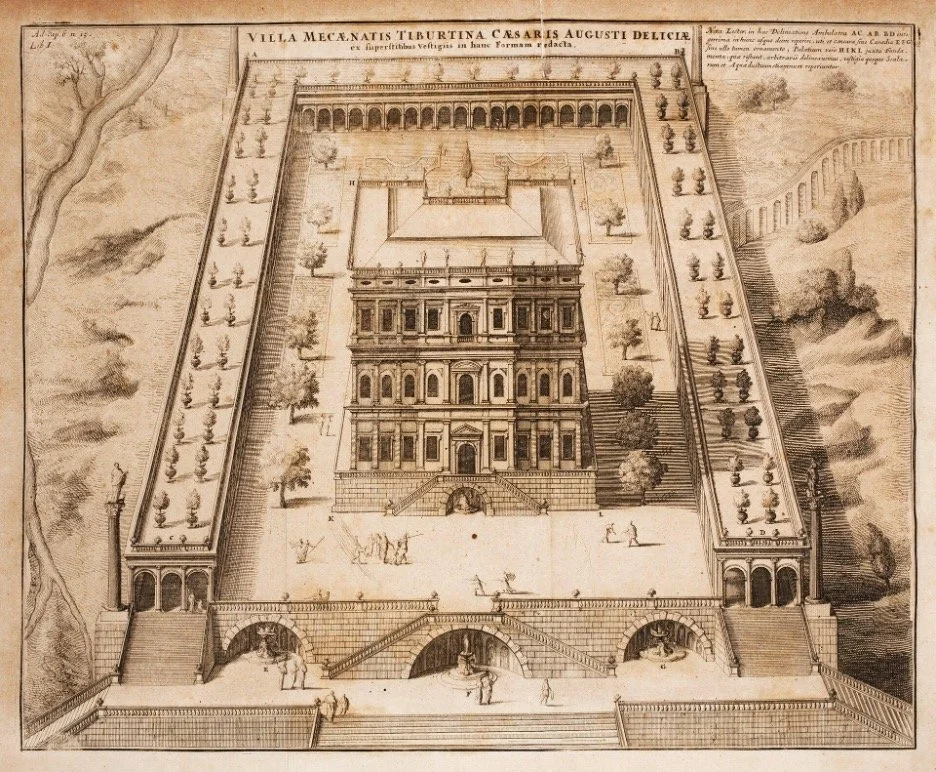
Across every model that now dominates - auction houses, major galleries, state commissions, artist management agencies - the artist is rarely the primary decision-maker about context, placement, or display. The Medici comparison, invoked so often in relation to Gulf state cultural investment, is telling precisely because it flatters. Medici patronage was personal and embedded in civic identity. State-funded prestige projects are institutional and strategic. Richard Serra, on completing his sculpture 7 in Doha in 2011, said: “I found my Medici.” Seductive. But seduction is exactly the point. From Pinault's Bourse de Commerce to the newest private foundations, founders are building spaces that control both the collection and the narrative.
What would a different model look like? Not the absence of private money, but its redistribution. Patronage that spreads. Frameworks that genuinely centre the artist's voice. The Christo and Jeanne-Claude Foundation's model of self-financed, artist-directed projects remains exceptional - and that is itself the problem.
On 4 May, just before the Venice Biennale opens, the IKT Symposium on Art Philanthropy - co-convened by curators Denis Maksimov and Adina Drinceanu - brings together some of the most thoughtful people working on exactly these questions. The keynote is by Suheyla Takesh, Director of the Barjeel Art Foundation, recognised for advancing scholarship in modern and contemporary Arab art while challenging dominant narratives of modernism. Other speakers include Lekha Poddar of the Devi Art Foundation, Rajeeb Samdani of the Dhaka Art Summit, Vladimir Yavachev of the Christo and Jeanne-Claude Foundation, Nadja Argyropoulou of the Thessaloniki Biennale, and Bérénice Robaglia of FAMM, whose work amplifies historically underrepresented voices within a privately funded model.
The conversation has begun. What matters now is that it produces something - frameworks, commitments, models of support that are less biased, less concentrated, and genuinely open to the art and artists the current system quietly passes over.
Write a comment...